
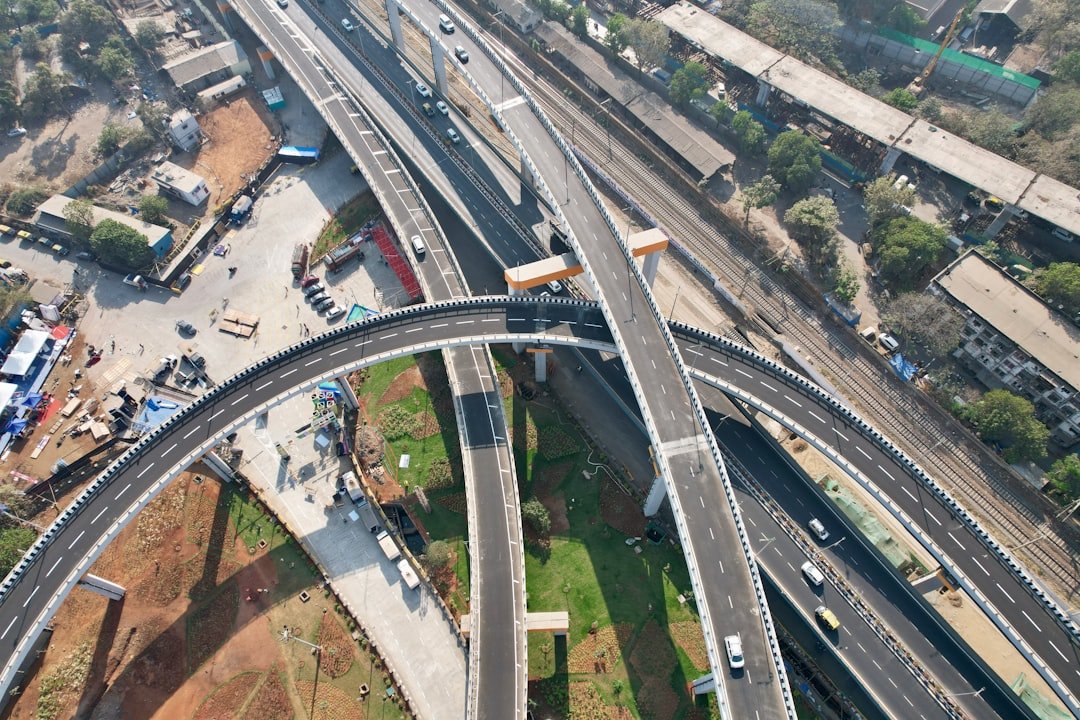
The Jewar-Ganga Link Expressway has moved beyond the proposal stage and into active tendering. The new greenfield corridor is planned to connect the Noida International Airport area at Jewar with the Ganga Expressway through Bulandshahr, creating a direct east-west road link between two of Uttar Pradesh’s biggest infrastructure corridors.
For people following Jewar, YEIDA and New Noida, this is more than another road announcement. The project changes how the airport could connect with western Uttar Pradesh and the wider Ganga Expressway network. It also matters for freight movement, industrial planning and the way businesses assess locations around Bulandshahr and the Yamuna Expressway belt.
Jewar-Ganga Link Expressway: What Has Changed?
The Uttar Pradesh Expressways Industrial Development Authority (UPEIDA) officially lists the project as the link expressway from Jewar Airport to Ganga Expressway via Bulandshahr. The Uttar Pradesh Cabinet approved the corridor in August 2026, and the project has since moved into the EPC procurement stage.
The state’s e-procurement portal shows tenders for the Jewar Link Expressway packages, including Package II covering the stretch from km 24.467 to km 74.467 in Bulandshahr. The latest tender schedule had bid submission closing on 7 September 2026, with opening scheduled for 8 September 2026.
That makes the current story more important than the earlier proposal: the road is now being taken through the contractor-selection process.
Key Project Details
- Length: approximately 74.467 km
- Type: greenfield, access-controlled expressway
- Initial configuration: six lanes
- Future expansion: provision for eight lanes
- Implementing authority: UPEIDA
- Development model: Engineering, Procurement and Construction (EPC)
- Approved estimated cost: about ₹8,585.51 crore
- Broad alignment: Jewar / Noida International Airport side to the Ganga Expressway through Bulandshahr
Earlier reports had quoted lower project estimates, including figures around ₹4,000 crore. However, the Cabinet-approved project now carries an estimated cost of about ₹8,585.51 crore. That is the more current figure for the full 74.467 km corridor.
Why the Link Matters for Noida International Airport
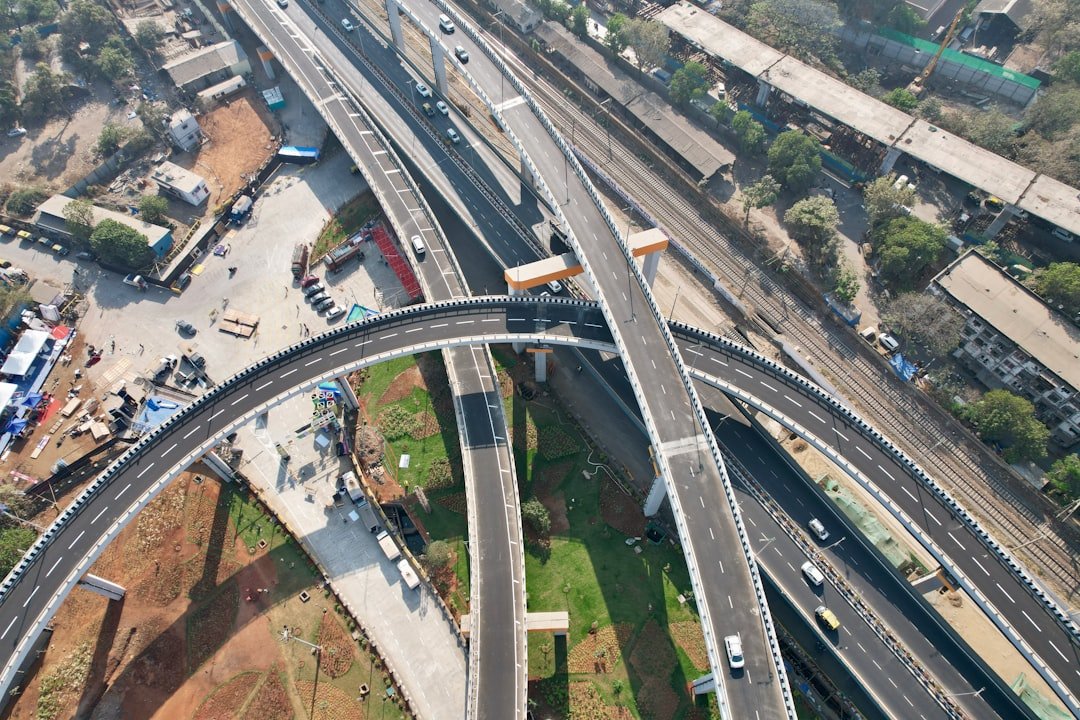
Noida International Airport already has strong road access through the Yamuna Expressway. The Jewar-Ganga Link Expressway adds a different kind of connection: it opens a more direct route toward Bulandshahr and the Ganga Expressway corridor.
For passengers, that can widen the airport’s practical catchment area. For businesses, the bigger benefit may be freight movement.
Manufacturers and logistics operators care about how quickly goods can move between factories, warehouses, highways and cargo terminals. A direct access-controlled road between the airport region and the Ganga Expressway could reduce the need to depend on slower mixed-traffic routes.
That is especially relevant as the airport ecosystem grows alongside industrial projects in YEIDA.
What It Could Mean for Bulandshahr and Western UP
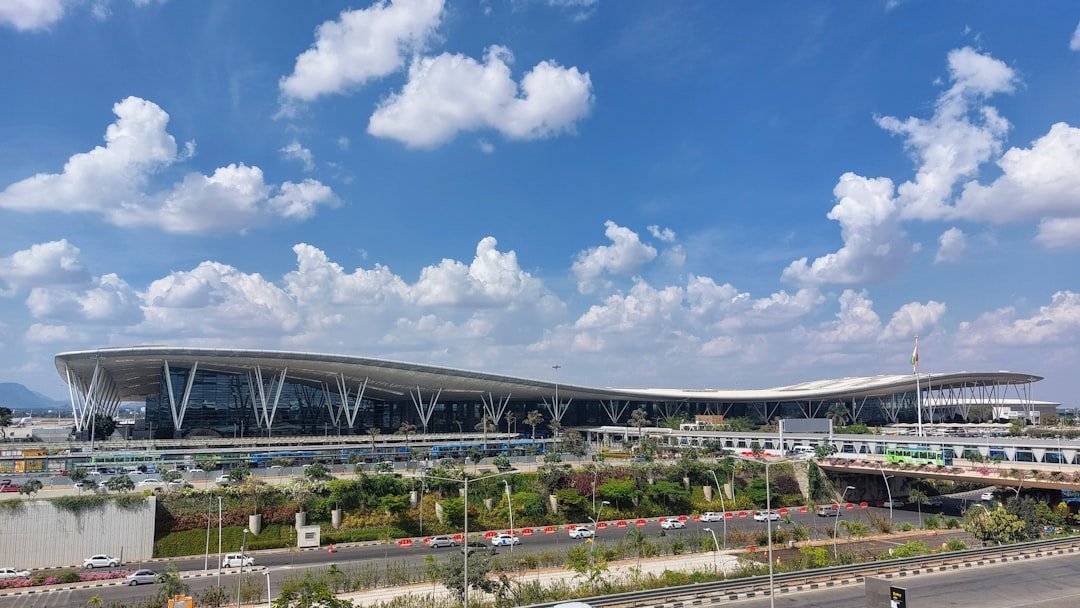
The corridor is expected to pass through the Bulandshahr district before meeting the Ganga Expressway. That puts several parts of western Uttar Pradesh within a more direct road network linked to Jewar.
In practical terms, better airport access can support more than passenger travel. It can improve the case for logistics parks, food processing, warehousing, light manufacturing and other businesses that depend on reliable movement of goods.
There is also a land-development effect. Once a major controlled-access corridor reaches execution, attention usually shifts toward interchanges, feeder roads and planned industrial zones rather than simply land located “near the expressway.”
How New Noida Fits Into the Connectivity Story
The link expressway also matters because it sits within a much larger planning story around New Noida, or the Dadri-Noida-Ghaziabad Investment Region (DNGIR).
The Noida Authority’s Master Plan 2041 covers roughly 209 square kilometres, with a strong industrial focus. Around 40% of the planned land is earmarked for industry, while the city is intended to be developed in phases through 2041.
The Authority has also moved ahead with land acquisition preparations in 37 villages for the first phase, with a compensation rate of ₹4,300 per square metre announced in 2026.
We have previously explained how New Noida’s connectivity with the airport and Ganga Expressway could influence the region. The latest tender movement makes that connectivity story more concrete.
Why This Matters for Industrial and Logistics Real Estate
Infrastructure creates value when it connects real economic activity. In this case, the corridor links an airport-led industrial region with one of the state’s longest expressways.
That can create opportunities in three areas.
Industrial Locations
Manufacturers may prefer sites that offer predictable access to both the airport region and the wider highway network. However, approved industrial land use and feeder-road access will matter more than straight-line distance from the expressway.
Warehousing and Logistics
Access-controlled roads can be especially useful for time-sensitive cargo and long-distance trucking. Locations near planned interchanges may become more relevant for storage, distribution and transport services.
Employment-Led Development
Industrial activity can gradually support housing, retail and everyday services for workers. That process usually takes time, so investors should separate actual employment growth from speculative plotting around future roads.
Another Piece of Jewar’s Multimodal Network
The Jewar airport region is increasingly being connected through multiple transport systems rather than a single highway.
Along with road projects, proposals such as Namo Bharat and high-speed rail links to Noida International Airport show how the larger plan is moving toward a multimodal network.
The Jewar-Ganga Link Expressway adds a road layer to that network. If executed well, it could make the airport easier to reach from a much wider geography while giving businesses another freight route into the region.
What Investors Should Watch Next
The project has moved forward, but execution is what now matters.
Before drawing conclusions about nearby property, investors should track:
- award of the EPC contracts
- final alignment and interchange locations
- land acquisition progress
- construction milestones
- feeder-road connectivity
- approved land use around the corridor
- industrial projects actually moving to site
- distance from functional transport nodes rather than proposed ones
The difference between a good infrastructure-led location and a speculative one often comes down to these details.
How The Kapish Group Helps
A new expressway can make a large area look attractive on a map. The investment question is narrower: which locations genuinely gain from the road, and which ones are simply being marketed around the headline?
The Kapish Group helps investors evaluate land and property across YEIDA, Jewar and New Noida through location analysis, master-plan review, land verification and authority-level due diligence.
For expressway-led opportunities, that means looking at the actual alignment, legal land use, access roads, nearby employment activity and documents before taking a call.
Final Takeaway
The Jewar-Ganga Link Expressway is now one of the more important connectivity projects to watch around Noida International Airport. The 74.467 km corridor has Cabinet approval and is moving through EPC tendering, making it materially more advanced than when it was discussed only as a proposal.
If construction progresses as planned, the link could improve airport access from western Uttar Pradesh and strengthen the industrial and logistics case for parts of the wider Jewar-Bulandshahr corridor.
For investors, the opportunity is not simply “land near the expressway.” The stronger case will be where approved land use, interchange access, employment and real infrastructure come together.
Sources: UPEIDA, Government of Uttar Pradesh eProcurement records for Jewar Link Expressway Package II, and Uttar Pradesh Cabinet approval reporting.